

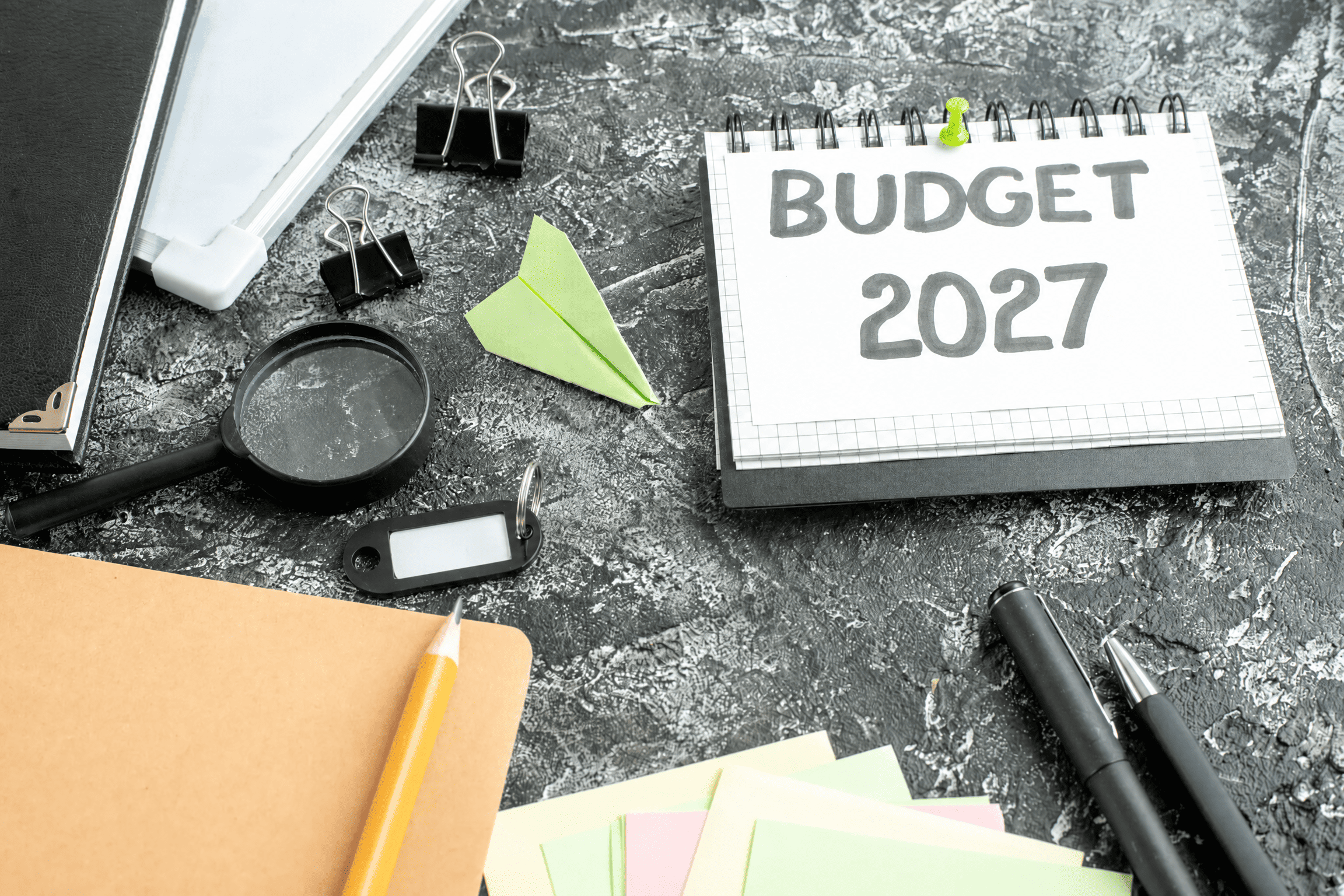
December is almost here. But have you started planning your business finances for 2027?
As 2026 draws to a close, many Nigerian business owners are focused on meeting sales targets, settling outstanding payments, paying salaries and managing year-end expenses. With so much happening, preparing next year’s budget may seem like something that can wait until January.
But here is the question: How can you make informed financial decisions in January if you have not planned how your business will earn, spend and manage money in 2027?
Business budgeting for 2027 in Nigeria is more than estimating income and expenses. It involves understanding your financial position, anticipating challenges and allocating resources to achieve your business goals.
Planning your 2027 business budget? Contact Wells Accounting & Tax Services for professional guidance.
Why Budgeting Ahead Matters for Nigerian Businesses
Running a business in Nigeria requires more than generating revenue. Business owners must constantly make financial decisions while managing changing operating costs, customer demands, tax obligations and cash flow pressures.
Expenses such as electricity, transportation, rent, employee salaries and raw materials can significantly affect profitability.
Without a proper financial budget, even a business generating impressive sales may struggle to meet its financial obligations.
A business budget provides a financial roadmap. It estimates how much money your business expects to earn, how much it plans to spend and what resources will be needed to achieve its goals.
More importantly, it helps you identify potential financial gaps before they become serious problems.
Preparing your 2027 budget before the end of 2026 gives you time to review your financial performance, assess your priorities and make necessary adjustments.
4 Reasons Smart Business Owners Are Planning Ahead

1. Understand How Your Business Performed in 2026
Before setting new financial goals, you need to understand how your business performed in 2026.
Did your revenue increase? Which products or services generated the most income? Were your expenses higher than expected? Did you achieve your financial targets?
Reviewing your financial records helps you answer these questions and identify areas that need improvement.
For example, your business may have recorded higher sales in 2026, but increased operating expenses could have reduced your actual profit.
Without reviewing these figures, you risk repeating the same financial mistakes in 2027.
What should you do? Review your income statements, cash flow records, outstanding debts and major expenses. Use these findings to establish realistic financial targets for 2027.
2. Prepare for Rising Business Costs and Economic Uncertainty
Running a business in Nigeria comes with financial challenges, particularly when managing electricity, transportation, rent, salaries and raw material costs.
According to the National Bureau of Statistics (NBS), Nigeria’s headline inflation rate stood at 14.06% in October 2026, while food inflation reached 19.13%.
Although headline inflation moderated, these figures show why businesses must continue to pay attention to changes in operating costs.
For SMEs, unexpected increases in supplier prices, transportation expenses or utility bills can affect profitability.
Preparing your 2027 business budget early allows you to estimate expenses, review pricing strategies and create financial provisions for unexpected costs.
What should you do? Identify your major operating expenses, review supplier quotations and prepare realistic cost projections for 2027.
Do not assume that what you spent in 2026 will be sufficient in 2027.
3. Improve Cash Flow and Avoid Financial Pressure
A business can generate impressive sales and still struggle to pay its bills.
Imagine recording ₦10 million in sales, but only ₦3 million has been received because customers are yet to settle their outstanding invoices.
Meanwhile, salaries, rent and supplier payments are due.
This is a cash flow problem, and it is one of the reasons financial planning for Nigerian businesses is essential.
The Central Bank of Nigeria’s Monetary Policy Committee set the Monetary Policy Rate at 23% in September 2026, highlighting the importance of carefully assessing borrowing and financing costs.
Effective cash flow management helps businesses plan when money is expected to come in and when payments must be made.
Preparing your 2027 budget early also helps you identify potential funding gaps before they affect daily operations.
What should you do? Develop a monthly cash flow forecast showing expected revenue, customer payments, operating expenses and financial commitments.
Need professional assistance with your 2027 business budget?
At Wells Accounting & Tax Services, we support SMEs, startups and growing businesses with budgeting, bookkeeping, cash flow management and financial reporting.
Contact our team today to discuss your business’s financial planning needs.
4. Plan for Tax Obligations and Business Growth
Your 2027 budget should not focus only on daily operating expenses. It should also account for tax obligations, regulatory requirements and future business investments.
Nigeria’s tax reforms, which took effect in January 2026, introduced changes that businesses need to consider when planning their finances.
Depending on your business structure and activities, you may have obligations relating to Companies Income Tax, Value Added Tax, PAYE and other statutory payments.
Budgeting ahead helps you prepare for applicable tax obligations rather than treating them as unexpected expenses.
It also allows you to plan for business growth.
Are you considering opening another branch, hiring employees, purchasing equipment or increasing your marketing budget in 2027?
These decisions require financial resources.
What should you do? Estimate your applicable tax obligations, identify your business growth priorities and allocate funds based on what your business can realistically afford.
How to Start Preparing Your 2027 Business Budget

You do not need to wait until January to begin. Start with these five practical steps:
- Review your 2026 financial records: Understand your revenue, expenses, profits and cash flow.
- Set realistic revenue targets: Estimate what your business can reasonably earn in 2027
- Identify expected expenses: Include salaries, rent, utilities, marketing and other operating costs
- Plan for taxes and unexpected expenses: Make financial provisions for statutory obligations and emergencies.
- Monitor your budget regularly: Compare actual performance with your projections and make necessary adjustments.
Remember, a budget is not a document you prepare and forget. It is a financial management tool that should guide your business decisions throughout the year.
Do not Wait Until January to Plan for 2027
The financial decisions you make today can influence how prepared your business will be for the new year.
Starting your business budgeting for 2027 in Nigeria before 2026 ends gives you time to review your performance, manage expected costs, plan your cash flow and set achievable business goals.
A successful financial year does not begin with guesswork. It begins with proper planning.
At Wells Accounting & Tax Services, we help businesses make informed financial decisions through professional accounting, budgeting, tax advisory and business consulting services.
Whether you need help reviewing your 2026 financial performance or preparing a realistic financial budget for 2027, our team is ready to assist.
Do not enter 2027 financially unprepared. Contact Wells Accounting & Tax Services today and start planning for a more financially organised year.
Website: www.wellsaccountingtax.com
Email: Marketing@wellsaccountingtax.com
Phone: 09133771456

No comment